Nick & I visit the Reyns’ at Pacific Raceways

I received an email earlier in the week from Philippe Reyns, who along with his wife Francoise and his Jaguar XKSS, I met at the Going to the Sun Rally last year. He let me know that they were going to be in the Seattle area for the Northwest Historics at Pacific Raceways. My plan was to take the Jaguar to work on Thursday, along with Nicholas, and spend the 4th at the races. Unfortunately the weather ruined my plans. Wednesday and Thursday saw some rain and thunderstorms… the latter a VERY rare event in the Pacific Northwest. The Jaguar stayed home and Nick and I took the Jetta. After work we drove south to Pacific Raceways (in horrendous traffic.)

There we found Philippe and Francoise Reyns, and their two race cars: a Lola and a Lotus Formula Ford. I spent quite a while chatting with the two of them, catching up from the past nine months, etc. Nick behaved himself, though I could tell he wasn’t interested in what the grown-ups were talking about. Nick was enthralled with the cars, and was amazed to be offered a seat in them.

The grown-ups continued to chat while Nicholas’ imagination had him doing laps around the track.

The Reyns are really nice folks. It was very cool of them to let Nick “test sit” the cars. Weather permitting Nick & I hope to head back down later in the week to watch the races and cheer Philippe on. Stay tuned.

Above: Nicholas helps Philippe put the wrapper on the Formula Ford.

Thinking Outside The Case

Nice Rack!

Note: The below is a straight off-the-top-of-my head rant I dashed off to my editor at a technology journal I occasionally write for. I'm looking for feedback to tighten it up. Feel free to tear it apart!

When it comes to data center metrics the one most often talked about is square footage. Nobody ever announces that they’ve built a facility with Y-tons of cooling, or Z-Megawatts. The first metric quoted is X-square feet. Talk to any data center manager however and they’ll tell you that floor space is completely irrelevant these days. It only matters to the real estate people. All that matters to the rest of us is power and cooling – Watts per square foot. How much space you have available is nowhere near as important as what you can actually do with it.

If you look at your datacenter with a fresh eye, where is the waste really happening?

Since liquid-cooled servers are at the far right-hand side of the bell curve, achieving electrical density for the majority of us is usually a matter of effectively moving air. So what is REALLY preventing the air from moving in your data center? I won’t rehash the raised floor vs. solid floor debate (since we all know that solid floors are better) but even I know that the perforated tiles, or the overhead duct work is not the REAL constraint. A lot of folks have focused a lot of energy on containment; hot aisle containment systems, cold aisle containment systems, and even in-row supplemental cooling systems.

In reality however, all of these solutions are addressing the environment around the servers, not the servers themselves which are after all, the source of all the heat. Why attack symptoms? Let’s go after the problem directly: The server.

First of all, the whole concept of a “rack unit” needs to be discarded. I’ve ranted before on the absurdity of 1U servers, and how they actually decrease datacenter density when deployed as they are currently built. I’d like to take this a step further and just get rid of the whole idea of a server case. Wrapping a computer in a steel and plastic box, a constrained space, a bottleneck for efficient airflow is a patently absurd thing. It was a good idea in the day of 66 Mhz CPUs and hard drives that were bigger than your head, but in today’s reality of multi-core power hogs burning like magnesium flares it is just asking for trouble. Trouble is what we’ve got right now. Trouble in the form of hot little boxes, be they 1U or blade servers. They are just too much heat in too constrained spaces. Virtualization won’t solve this problem. If anything it will just make it worse by increasing the efficiency of the individual CPUs making them run hotter more of the time. Virtualization might lower the power bills of the users inside the server, but it won’t really change anything for the facility that surrounds the servers in question. The watts per square foot impact won’t be as big as we hoped and we’ll still be faced with cooling a hot box within a constrained space.

So here is my challenge to the server manufactures: Think outside of the case.

This isn’t a new idea really, nor is it mine. We’ve all seen how Google has abandoned cases for their servers. Conventional wisdom says that only a monolithic deployment such as a Google datacenter can really make use of this innovation. Baloney. How often does anyone deploy single servers anymore? Hardly ever. If server manufacturers would think outside of the case, they could design and sell servers in 10 or 20 rack unit scale enclosures. They could even sell entire racks. By shedding cases altogether, both server cases and blade chassis, they could create dense, electrically simple, easy to maintain, and most importantly easy to cool servers. The front could be made of I/O ports, fans, and drives. Big fans for quiet efficiency. The backs could be left open, with electrical down one side and network connections down the other. Minimize the case itself to as little as possible… think of Colin Chapman‘s famous directive about building a better race car: “Just add lightness.” The case of a server should serve one purpose only: To anchor it to the rack. Everything else is a superfluous obstruction of airflow. No need for steel, as plenty of lighter weight materials exist that can do the job with less mass.

Go look in your datacenter with this new eye and envision all those server cases and chassis removed. No more artificial restriction of airflow. Your racks also weigh less than half of what they do today. You could pack twice the computing horsepower into the same amount of space and cool it more effectively than what you have installed.

Ten years from now we’ll look back at servers of this era and ask ourselves “what were we thinking??” The case as we know it will vanish from the data center, much like the horse and buggy a century before. We’ll be so much better without them.

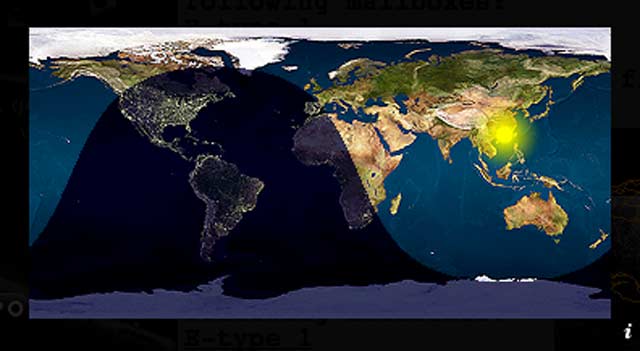
Happy Solstice!

I love this time of year, especially at northern latitudes. The long, lingering twilight makes me so happy.

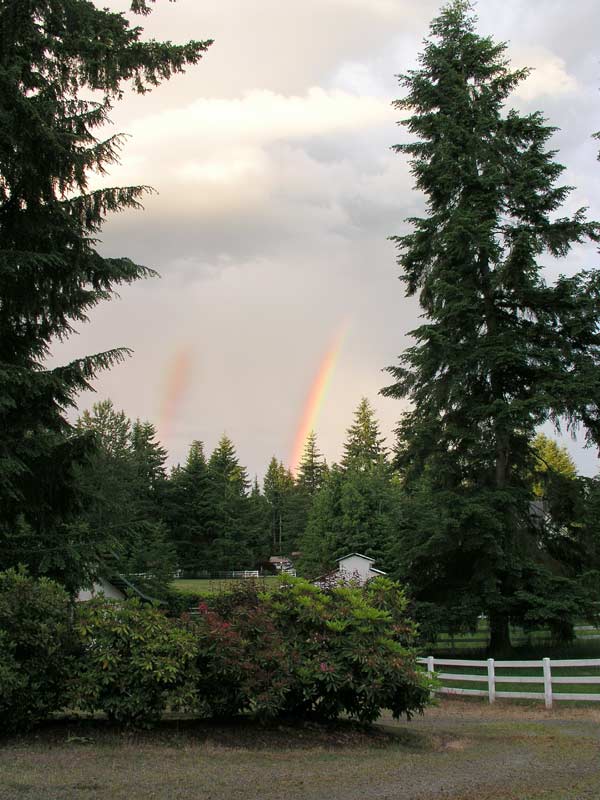
Tonight I noted a storm over the Cascades east of our house.. it even had thunder, a very are occurrence here in the Pacific Northwest. It sprouted a double rainbow for while as it passed. This photo was taken sometime after 9:00pm. It is 10:20 right now and finally getting dark, though the northern horizon still holds blue light and high clouds still reflect light.

Starting tomorrow is all starts marching backwards until December, when we have darkness for most of the day. Enjoy it while it lasts!

Christopher Graduates!

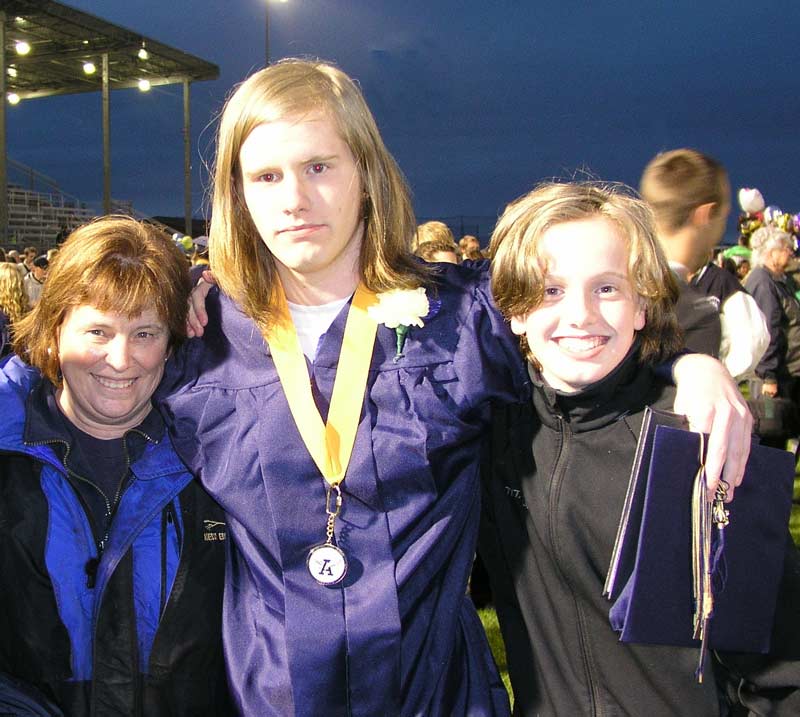
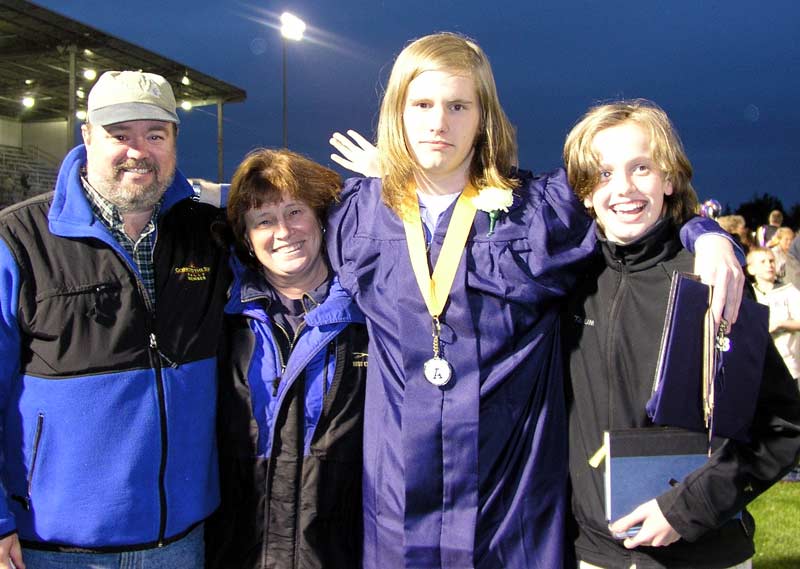
Christopher graduated from high school tonight, June 10th 2008.

It was held at the football stadium at Arlington High School, and thankfully the rains ceased for a few hours for the event to pass. Of course as soon as it concluded, the drizzle started again. We’re all very happy.

We started the evening with a dinner at La Hacienda. Then we dropped Chris off at the school as he had to be there an hour before.

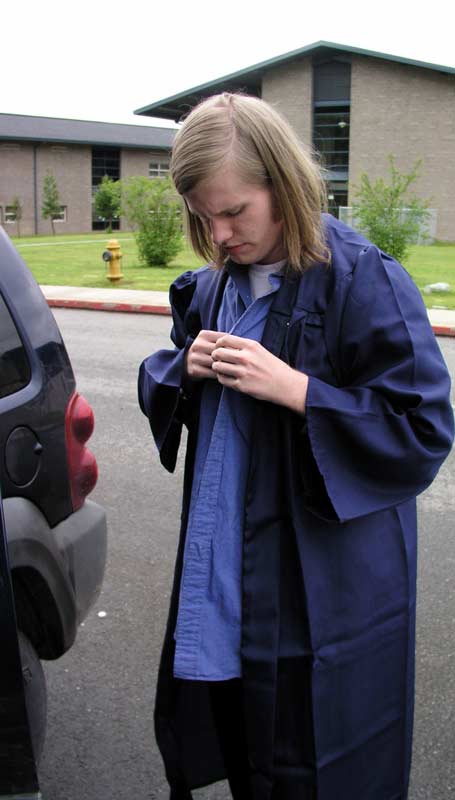
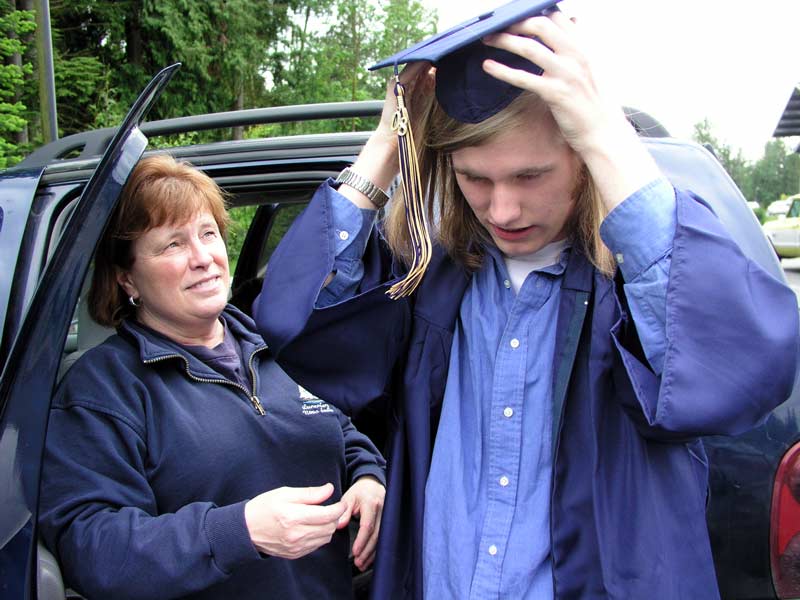
Above: Chris puts on the gown.

Above: Sue watches as the cap goes on.

The actual ceremony took place with a stadium full of parents and relatives of all the students. The parking lot was overflowed and we ended up far away. We did a poor job of logistics and ended up pretty far from Chris’ spot in the ceremony. I brought my telephoto lens and managed to pick him out of the crowd:

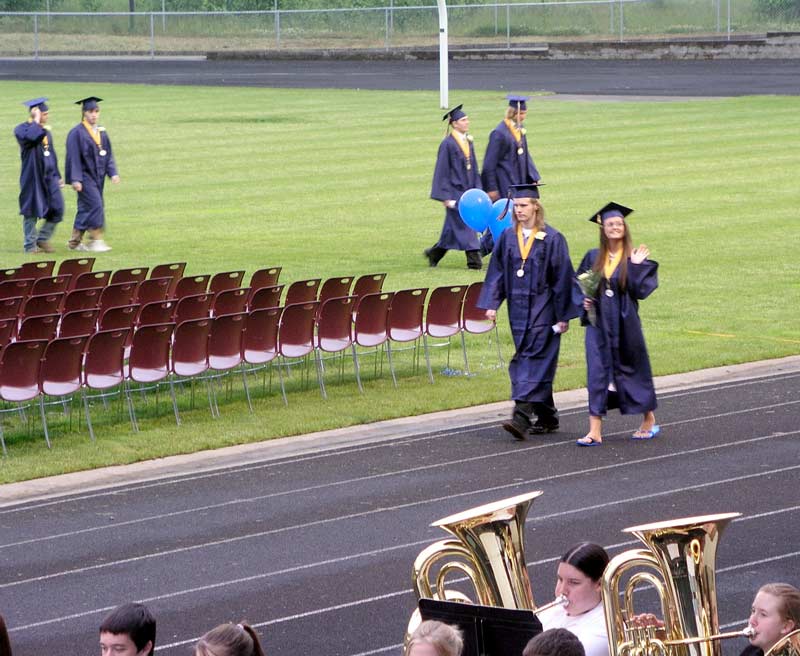
Above: Chris enters the stadium.

Above: Where’s Waldo?

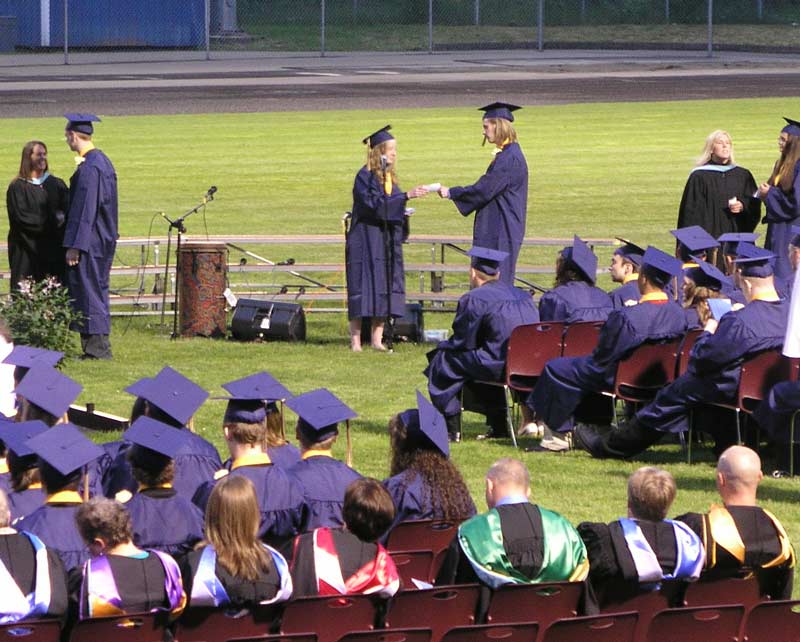
Above: Chris hands his name to the reader.

…and walks towards the stage.

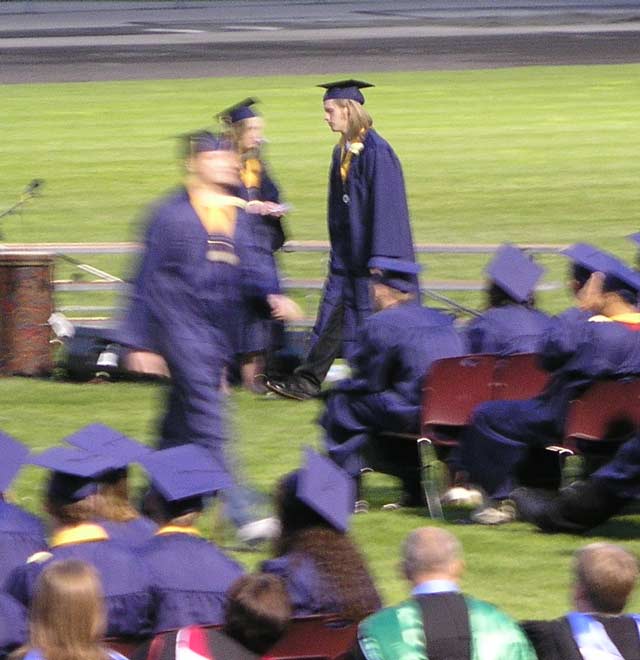
Of course my photos of him on the stage are blurry and somebody walked right in front of me right about that time as well(!)

Oh well.

There was music and of course boring speeches… it wrapped up with some youthful exuberance:

We finally found each other down on the field after it was all over and got a group shot:

One down, one to go!